

What to Expect with Cingal®
If you’re thinking about Cingal for your knee osteoarthritis, it helps to know what the process looks like – before, during, and after treatment.
This page explains the treatment process, what you may notice after the injection, answers to common questions, and how to prepare for a conversation with your doctor.
The Treatment Process


Before the Injection
Your doctor will review your history, confirm your diagnosis, and discuss whether Cingal is right for you.


During the Injection
The procedure takes only a few minutes at the clinic. The area is cleaned, and the injection is given directly into the knee joint.


After the Injection
You typically go home the same day. A small bandage may be placed and short rest is often recommended.
What Happens Before Your Appointment
Before receiving Cingal, your healthcare professional will:
- Talk with you about your knee pain
- Review your medical history
- Confirm that osteoarthritis is the cause
Tell your doctor if you:
- Have allergies
- Have an infection near your knee
- Take blood-thinning medicines
- Have had recent knee injections
Together, you’ll discuss whether Cingal is a good option for you.

What Happens During the Procedure
- The procedure is done during a clinic or office visit
- The area is cleaned carefully before the injection
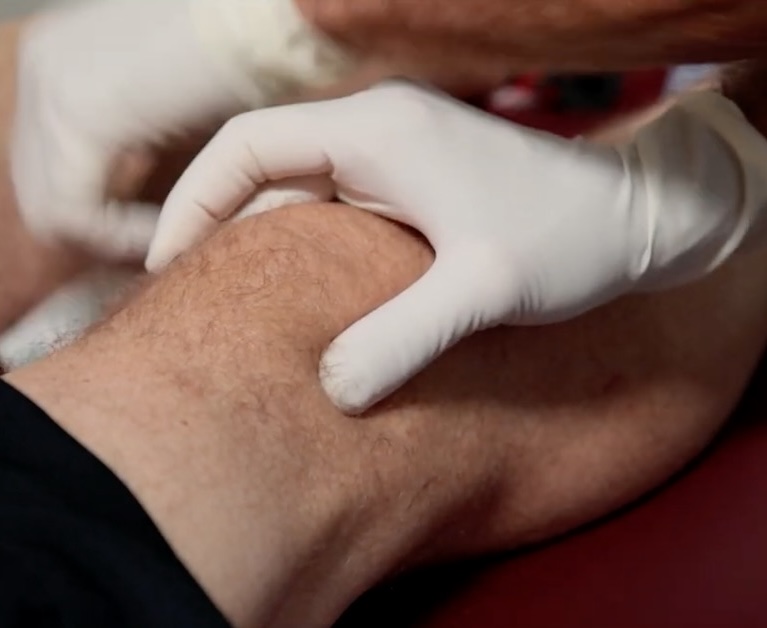
- Cingal is given as one injection into the knee joint
You may feel:
- Brief pressure
- Mild discomfort during the injection
Injections usually take just a few minutes. Depending on the type of injection your doctor may use imaging, such as ultrasound or live X-ray guidance, to help place the injection in the intended area.
What Happens After Your Injection
What You May Notice
Relief can vary from person to person:
- Some people notice improvement in pain within days
- Others may notice changes gradually over several weeks
- Relief and response vary from person to person
It is normal to have mild soreness, temporary swelling, or warmth around the knee. These usually improve within a short time.
Activity After Treatment
Your doctor may recommend that you:
- Avoid strenuous activity for a short period
- Skip high-impact exercise for 48 hours
- Return gradually to normal daily activities
Always follow the specific advice given by your doctor.
When to Call Your Doctor
Contact your doctor if you experience:
- Increasing pain or swelling
- Redness, warmth, or fever
- Symptoms that concern you or do not improve
Common Questions About Cingal
If you have questions about Cingal before speaking to your doctor, these answers may help.
No. Cingal is a non-surgical injection given in a clinic or office setting.
Cingal is designed as a single injection. Your doctor will discuss whether repeat treatment may be appropriate in the future based on your symptoms.
Results vary. Some people experience symptom relief that lasts for several months. Your response will depend on factors such as the severity of osteoarthritis and activity level. Studies have shown pain relief out to 6 months, and sometimes longer.
17-02 Data on file
Yes. Exercise is often important for knee health. Your doctor can advise when to restart activity after the injection.
No. Osteoarthritis is a long-term condition. Cingal is designed to help manage symptoms such as pain and stiffness, not to cure the disease.
Some people use non-surgical options, including injections, to help manage symptoms and delay the need for knee surgery. This depends on individual circumstances and should be discussed with your doctor.
Discussion Guide for Your Appointment
Having an open conversation with your doctor can help you choose the right treatment. You may want to ask:
About your knee
- Do I have knee osteoarthritis, and how severe is it?
- What is causing my knee pain?
About treatment options
- What non-surgical treatments are available to me?
- What role do injections play in my treatment plan?
- How does Cingal compare with other injection options?
About Cingal specifically
- Am I a good candidate for Cingal?
- What benefits can I realistically expect?
- What are the possible side effects?
- How does Cingal fit with exercise and physical therapy?
About next steps
- What should I expect after treatment?
- When should we follow up?
- What should I do if my symptoms change?
Writing down your questions ahead of time may help you feel more prepared for the visit.