

About Osteoarthritis
Osteoarthritis (OA) is a common joint condition that can cause pain, stiffness, and trouble moving. It most often affects the knee and can make everyday movement harder over time.
This page explains what osteoarthritis is, how treatments compare, and non-surgical options for knee pain.
What Is Osteoarthritis?
Osteoarthritis (often called OA) is a condition where the smooth cushioning tissue in a joint, called cartilage, slowly wears down over time.
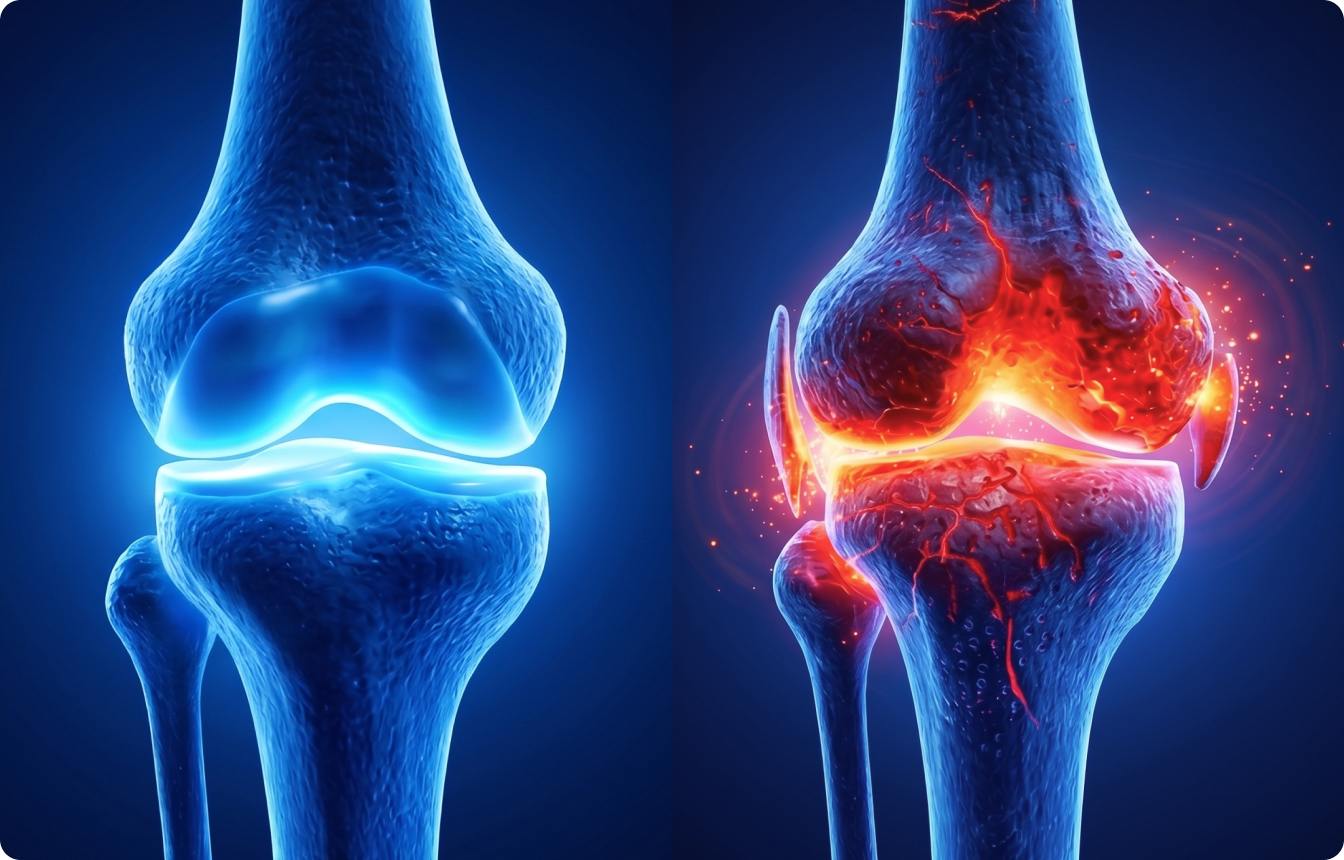
What Happens in Your Joint
OA develops gradually and tends to worsen over time, but many people manage their symptoms well for years with the right care and treatment plan.

Healthy knee
- Cartilage covers bone ends
- Fluid helps the joint move smoothly

With osteoarthritis
- Cartilage becomes thinner
- Bones can rub together

Common Symptoms
Symptoms can develop gradually and vary from person to person. Common signs include:
- Pain during or after movement
- Stiffness, especially after resting or in the morning
- Swelling around the joint
- A feeling of grinding or clicking when moving
Who Gets Osteoarthritis?
OA is more common with age, but it is not just a part of getting older. Risk factors include:
- Past knee injuries or operations
- Being overweight (extra weight increases pressure on the knee)
- Repetitive stress from work or sports
- Family history
Millions of adults worldwide live with OA. The knee is one of the most commonly affected joints.
Treatment Options Compared
There is no cure for osteoarthritis, but many treatments can help reduce pain, improve movement, and support daily activity. Most people start with simple options and move on to stronger treatments only if their symptoms continue.

First-Step Treatments
- Exercise and physical therapy to strengthen muscles and improve joint movement
- Weight management to reduce stress on the knee
- Activity changes, such as avoiding high-impact movements
These approaches can meaningfully reduce pain and help you stay active.
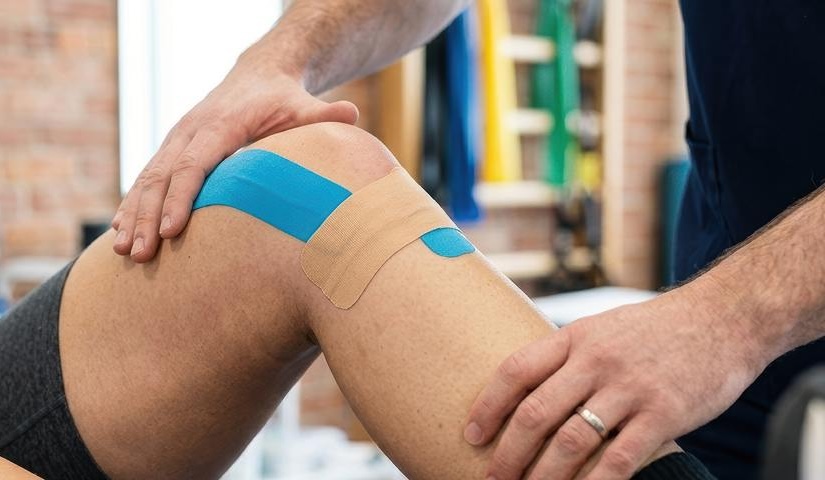



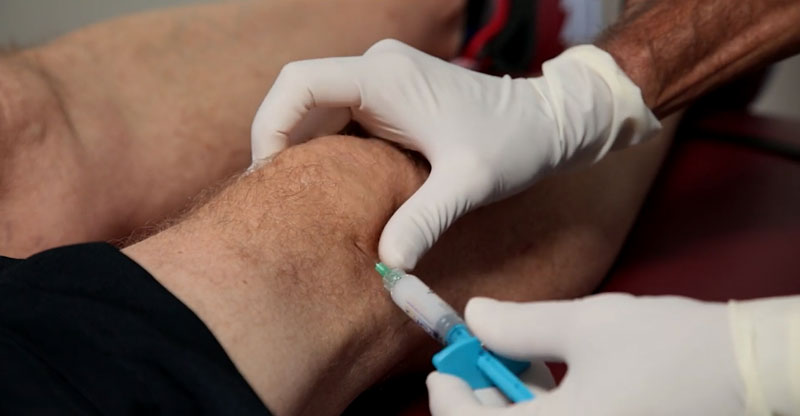

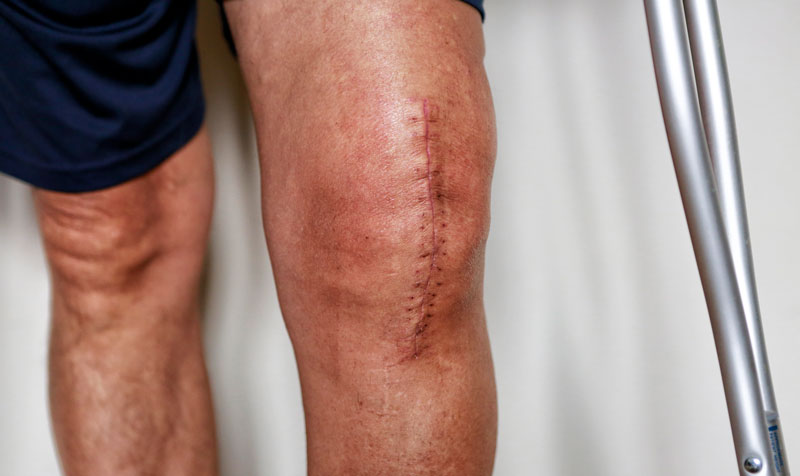
Non-Surgical Knee Treatments
Many people manage knee osteoarthritis without surgery. Non-surgical options focus on reducing pain, supporting movement, and helping you stay active.
Common non-surgical treatments include:
- Exercise and physical therapy to build strength and stability
- Weight loss, even small amounts, to lower pressure on the knee
- Knee braces or supports to improve comfort during activity
- Pain-relief medicines, used as needed
When these are not enough, injections may be considered.

What Are Hyaluronic Acid (HA) Injections?
Hyaluronic acid is found naturally in healthy joints. It helps lubricate and cushion the knee during movement. With osteoarthritis, the levels of HA decrease, making the joint feel stiff or painful.
Hyaluronic acid injections place this substance directly into the knee joint. They are sometimes called:
- Viscosupplement injections
- Gel injections
- Knee gel shots
HA injections may help reduce knee pain and improve movement, especially for people who want to delay or avoid surgery. Relief can take a few weeks to develop and may last for several months, depending on the individual.
Your doctor can help decide if this option is right for you.
Interested in learning about our hyaluronic acid injection?
Learn How Cingal WorksCommon Questions About Osteoarthritis
If you’re unsure where to start, these questions are a good place to begin.
Osteoarthritis is a joint condition where the cartilage (the smooth cushioning tissue between your bones) gradually wears down. This can cause pain, stiffness, and reduced movement, particularly in the knee. It is the most common form of arthritis and affects millions of adults worldwide.
Most people start with first-line treatments: exercise and physical therapy, weight management, and activity changes. If symptoms continue, pain medications (NSAIDs, acetaminophen) may be used. For persistent pain, injections, including corticosteroid and hyaluronic acid (HA) injections, are an option. Knee replacement surgery is typically considered only when other treatments are no longer effective.
Yes. Many people manage knee osteoarthritis for years without surgery through a combination of physiotherapy, weight management, pain medicines, and injections. Hyaluronic acid (HA) injections, also called viscosupplement injections, are one option that may help reduce knee pain and improve movement for people who want to delay or avoid surgery. Your doctor can advise which options are appropriate for your situation.
Osteoarthritis is a condition that affects the whole joint. It is linked to ageing, joint use, and previous injury, and involves both the gradual breakdown of cartilage and changes in the joint tissues.
Rheumatoid arthritis is an autoimmune condition where the immune system attacks the joint lining, causing inflammation and damage.
The two conditions can feel similar but have different causes, affected joints, and treatment approaches. A doctor can confirm which type you have through examination and tests.
Hyaluronic acid (HA) injections, sometimes called gel injections or viscosupplement injections, deliver a lubricating gel directly into the knee joint. With osteoarthritis, the natural levels of HA in the joint decrease, which can make movement painful. HA injections aim to restore lubrication and cushioning. Relief may take a few weeks to develop and can last several months. They are typically considered after first-line treatments have not provided sufficient relief.