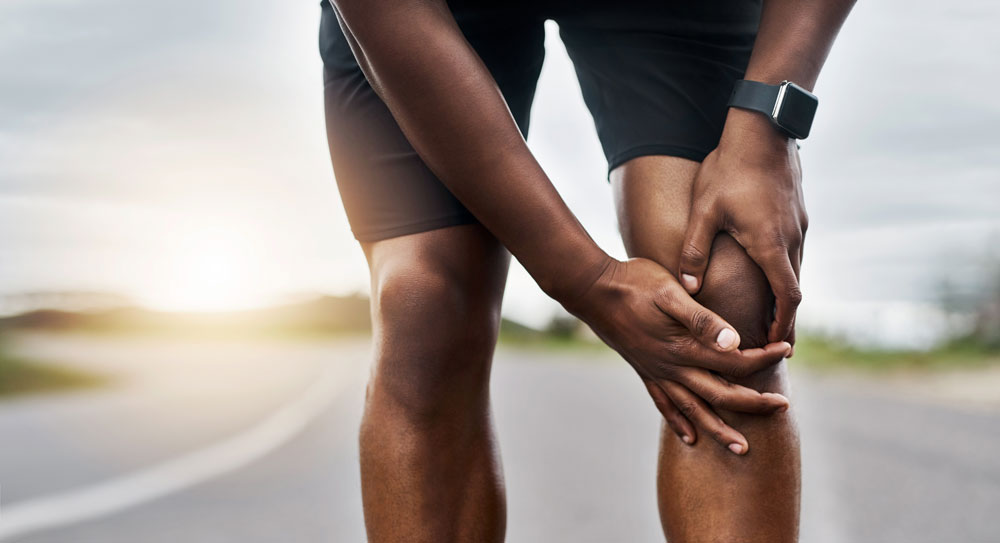
Knee pain is something many of us experience at some point in our lives. It can start gradually or happen after an injury, and it often affects our everyday movements like walking, climbing stairs, or getting up from a chair.
The good news is that knee pain doesn’t always mean something serious, but it is our body’s way of asking for attention.
Why do knees become painful?
Our knees are one of the hardest-working joints in the body. Over time, the cartilage that cushions the joint can wear down, movements can become less smooth, and discomfort can develop.
Common reasons for knee pain include:
- Natural wear and tear over time
- Previous injuries
- Repetitive strain from daily activities or exercise
- Weakness in the muscles supporting the joint
In many cases, knee pain develops slowly, which is why it can be easy to ignore at first.
Early signs to look out for
You don’t need to wait until the pain is severe before taking action.
Early signs can include:
- Stiffness, especially in the morning or after sitting
- Discomfort during or after activity
- A feeling of tightness or reduced movement
- Occasional swelling
Recognising these signs early can help you manage symptoms more effectively.
Should you rest or keep moving?
One of the biggest misconceptions about knee pain is that you should completely rest the joint.
In reality, gentle movement is often better. Too much rest can lead to stiffness and further weaken the muscles that support your knee.
The key is balance:
- Stay active, but avoid activities that make the pain worse
- Give your body time to rest and recover when needed
When should you speak to a doctor?
It may be helpful to seek medical advice if:
- Pain remains or gets worse over time
- Swelling does not improve
- Your knee feels unstable
- Daily activities become more difficult
Your doctor can help identify the cause and guide you on the best “next steps”.
Looking ahead
Knee pain doesn’t have to stop you from staying active. Understanding what’s causing it is the first step towards managing it effectively.